


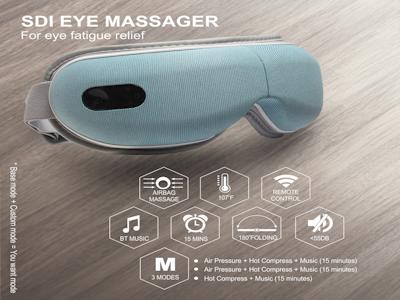
В современном мире, полном стрессов и постоянной спешки, многие ищут способы расслабиться и восстановить силы. Одним из популярных методов являются музыкальные устройства, предназначенные для релаксации: от умных колонок с успокаивающими плейлистами до специализированных гаджетов, таких как звуковые машины или устройства с бинауральными ритмами. Но действительно ли они эффективны, или это просто маркетинговый ход? В этой статье мы глубоко погрузимся в тему, исследуя научные основы, психологические аспекты и реальный опыт пользователей, чтобы отделить факты от вымысла.
Введение: почему мы стремимся к релаксации через музыку
Музыка сопровождает человечество на протяжении тысячелетий, и её способность влиять на эмоции и состояние ума хорошо задокументирована. С развитием технологий появились устройства, которые обещают усилить этот эффект, предлагая целенаправленные звуковые опыт для расслабления. Однако, с ростом популярности таких продуктов, возникает закономерный вопрос: насколько они действенны? В этой статье мы рассмотрим различные типы музыкальных устройств для релаксации, проанализируем научные исследования, обсудим потенциальные преимущества и ограничения, и дадим практические советы для тех, кто хочет попробовать их в своей жизни.
Научная основа: как музыка влияет на мозг и тело
Чтобы понять, работают ли музыкальные устройства для расслабления, сначала нужно разобраться в том, как вообще музыка воздействует на человека. Многочисленные исследования показывают, что прослушивание музыки может снижать уровень кортизола (гормона стресса), улучшать настроение и даже влиять на физиологические параметры, такие как частота сердечных сокращений и артериальное давление. Например, исследование, опубликованное в журнале "Journal of Advanced Nursing", демонстрирует, что музыкальная терапия эффективна для уменьшения тревоги у пациентов. Это связано с тем, что музыка активирует лимбическую систему мозга, ответственную за эмоции, и может синхронизировать мозговые волны, promoting a state of calm.
Устройства для релаксации часто используют specific frequencies, such as binaural beats or isochronic tones, which are designed to entrain the brain into relaxed states like alpha or theta waves. Studies, such as those from the Monroe Institute, suggest that binaural beats can help induce meditation-like states, but the evidence is mixed, with some meta-analyses pointing to modest effects. Thus, while the science is promising, it's not definitive, and individual responses vary widely.
Типы музыкальных устройств для расслабления
На рынке существует множество устройств, каждое со своими особенностями. Вот некоторые из наиболее распространенных:
- Умные колонки и приложения: Например, устройства от Amazon или Google с интеграцией сервисов like Spotify или Calm, offering curated relaxation playlists. Они удобны, but may lack specialized features.
- Звуковые машины: Эти устройства воспроизводят белый шум, звуки природы, или другие монотонные звуки to mask background noise and promote sleep. Research in sleep science supports their use for improving sleep quality, as shown in studies published in "Sleep Medicine Reviews".
- Устройства с бинауральными ритмами: Они используют headphones to deliver slightly different frequencies to each ear, creating a perceived beat that can influence brainwaves. While some users report deep relaxation, scientific consensus is still evolving, with studies like those in "Frontiers in Human Neuroscience" indicating potential benefits for anxiety reduction.
- Высокотехнологичные гаджеты: Например, устройства, сочетающие музыку с световой терапией или вибрацией. Они often claim to enhance the relaxation experience through multi-sensory stimulation, but empirical evidence is limited, and they may be more gimmicky than effective.
Каждое из этих устройств has its pros and cons, and their effectiveness can depend on factors like individual preferences, the quality of the device, and how it's used.
Психологические аспекты: плацебо и ожидания
Важно учитывать роль психологии в эффективности этих устройств. Эффект плацебо can play a significant role; if a person believes that a device will help them relax, it often does, regardless of the actual technology. Studies in psychology, such as those discussed in "Psychological Science", show that expectations can powerfully influence outcomes. Therefore, even if a device has minimal scientific backing, it might still work for some people simply because they trust it. This doesn't mean it's a myth—it highlights the mind-body connection and the importance of belief in healing processes.
Moreover, the ritual of using a device for relaxation can itself be therapeutic. Setting aside time to listen to music or sounds can create a sense of routine and mindfulness, which are known to reduce stress. Thus, the device might serve as a tool to facilitate these beneficial practices, rather than being the sole cause of relaxation.
Реальные отзывы и case studies
Чтобы получить полную картину, let's look at real-world experiences. Many users report positive effects from devices like sound machines or binaural beat apps. For instance, a survey conducted by a relaxation app company found that over 70% of users experienced improved sleep or reduced anxiety. However, there are also criticisms; some users find the effects subtle or non-existent, especially with cheaper devices that may have poor sound quality.
Case studies from clinical settings show mixed results. In music therapy sessions, trained therapists often use customized approaches that are more effective than generic devices. This suggests that while devices can be helpful, they are not a substitute for professional care when needed.
Потенциальные риски и ограничения
Несмотря на potential benefits, there are drawbacks to consider. Over-reliance on devices for relaxation could lead to neglect of other healthy habits, such as exercise or social interaction. Additionally, some devices might cause discomfort if used incorrectly, like headphones at high volumes leading to hearing damage. It's also worth noting that the market is flooded with products that make exaggerated claims, so consumers should be cautious and look for evidence-based options.
Furthermore, for people with certain conditions, such as tinnitus or epilepsy, specific sounds might exacerbate symptoms. Always consult a healthcare professional before integrating new devices into your routine, especially if you have underlying health issues.
Советы по выбору и использованию устройств
If you're considering trying a musical device for relaxation, here are some practical tips:
- Исследуйте научную основу: Look for devices backed by research or recommendations from reputable sources like psychologists or audiologists.
- Начните с бесплатных опций: Many apps offer free trials or basic versions. Test them out before investing in expensive hardware.
- Учитывайте индивидуальные предпочтения: What relaxes one person might not work for another. Experiment with different sounds, such as ocean waves versus classical music.
- Используйте устройство как часть комплексного подхода: Combine it with other relaxation techniques, like deep breathing or meditation, for enhanced effects.
- Обратите внимание на качество звука: Poor audio can be distracting rather than relaxing. Invest in devices with good speakers or headphones.
Remember, consistency is key. Using the device regularly can help build a habit and maximize benefits.
Заключение: миф или реальность?
So, are musical devices for relaxation a myth or do they really work? Based on the evidence, they are not a myth, but their effectiveness is nuanced. Scientific studies support the idea that music and specific sounds can promote relaxation, but the impact varies from person to person. Devices can be valuable tools when used appropriately, leveraging the power of sound to reduce stress and improve well-being. However, they are not magic bullets; they work best as part of a broader lifestyle that includes healthy habits.
In summary, while some claims may be exaggerated, musical devices for relaxation have a solid foundation in science and psychology. If you approach them with realistic expectations and choose quality products, they can genuinely enhance your relaxation routine. Ultimately, the answer lies in personal experience—try it for yourself and see if it brings the peace you seek.
Thank you for reading this in-depth exploration. We hope it helps you make an informed decision about incorporating musical devices into your life for better relaxation and health.
 1388xx888xx