


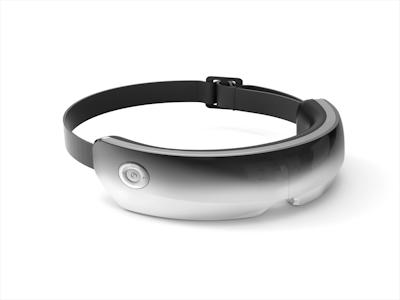
В современном мире, где цифровые экраны стали неотъемлемой частью нашей повседневной жизни, забота о здоровье глаз приобретает все большее значение. Глаза — это не только зеркало души, но и важнейший орган, который требует внимательного и регулярного ухода. С развитием технологий появляются инновационные решения, которые делают уход за глазами более эффективным, удобным и доступным. В этой статье мы подробно рассмотрим самые передовые технологии, которые помогут вам достичь идеального состояния ваших глаз, предотвратить заболевания и сохранить остроту зрения на долгие годы.
Введение в современный уход за глазами
Уход за глазами всегда был важной частью здоровья человека, но в последние десятилетия он претерпел значительные изменения. Раньше основными методами были простые упражнения, использование капель и регулярные посещения офтальмолога. Однако с увеличением времени, проводимого перед компьютерами, смартфонами и другими устройствами, традиционные подходы часто оказываются недостаточными. Цифровое напряжение глаз, синий свет от экранов и другие факторы привели к росту таких проблем, как сухость глаз, усталость и даже прогрессирование близорукости. Именно здесь на помощь приходят новые технологии, которые предлагают умные и научно обоснованные решения.
Новые технологии в уходе за глазами охватывают широкий спектр областей: от умных устройств для мониторинга здоровья глаз до инновационных препаратов и цифровых приложений. Они основаны на последних достижениях офтальмологии, искусственного интеллекта и биотехнологий. Эти разработки не только помогают лечить существующие проблемы, но и активно предотвращают их возникновение. Например, устройства с датчиками могут отслеживать уровень увлажнения глаз, в то время как приложения напоминают о необходимости делать перерывы во время работы. Это делает уход более персонализированным и эффективным.
Кроме того, новые технологии делают уход за глазами более доступным. Раньше регулярные визиты к врачу могли быть дорогими и time-consuming, но теперь с помощью телемедицины и домашних устройств люди могут получать профессиональную помощь не выходя из дома. Это особенно важно в условиях пандемии и для тех, кто живет в удаленных районах. В целом, интеграция технологий в офтальмологию открывает новые горизонты для поддержания здоровья глаз, и в этой статье мы углубимся в детали этих инноваций.
Роль искусственного интеллекта в диагностике и лечении глаз
Искусственный интеллект (ИИ) революционизирует многие области медицины, и офтальмология не является исключением. ИИ-алгоритмы могут анализировать изображения сетчатки, роговицы и других структур глаза с высочайшей точностью, что позволяет выявлять заболевания на ранних стадиях. Например, системы на основе ИИ уже используются для диагностики диабетической ретинопатии, глаукомы и возрастной макулярной дегенерации. Эти технологии не только ускоряют процесс диагностики, но и снижают вероятность человеческой ошибки, что особенно важно при работе с большими объемами данных.
Одним из ярких примеров является разработка умных офтальмоскопов, которые integrated с ИИ. Эти устройства могут автоматически сканировать глаз и предоставлять подробный отчет о состоянии здоровья. Пациенты могут использовать их дома для регулярного мониторинга, а данные отправляются врачу для дальнейшего анализа. Это не только экономит время, но и позволяет непрерывно отслеживать динамику заболеваний. Кроме того, ИИ используется в хирургии глаза, помогая хирургам планировать операции с миллиметровой точностью, что значительно улучшает outcomes.
Помимо диагностики, ИИ играет ключевую роль в персонализированном лечении. Алгоритмы могут анализировать индивидуальные данные пациента, такие как генетическая предрасположенность, образ жизни и история болезней, чтобы рекомендовать оптимальные методы ухода. Например, ИИ-приложения могут suggested customized routines для упражнений глаз или назначить specific капли based on уровня сухости. Это делает уход более targeted и effective, reducing the risk of side effects.
В будущем ожидается, что ИИ будет еще более integrated в повседневный уход за глазами. Уже разрабатываются системы, которые can predict риски заболеваний based on big data, allowing for proactive measures. Например, если алгоритм detects early signs of катаракты, it can recommend changes in diet or lifestyle to slow its progression. This proactive approach is a game-changer in eye care, shifting the focus from treatment to prevention.
Умные устройства для мониторинга здоровья глаз
С развитием IoT (Internet of Things) появилось множество умных устройств, designed specifically для мониторинга здоровья глаз. These devices range from smart glasses to handheld scanners, all aimed at providing real-time data on eye conditions. Например, умные очки с датчиками can measure уровень blue light exposure, blink rate, and moisture levels, alerting the wearer when it's time to take a break or use eye drops. This is particularly useful for people who spend long hours in front of screens, as it helps prevent digital eye strain.
Another innovative device is the portable fundus camera, which allows users to take high-quality images of their retina at home. These images can be uploaded to a cloud platform where AI algorithms analyze them for signs of disease. Early detection of conditions like diabetic retinopathy can prevent vision loss, and these devices make it accessible to everyone. Additionally, some devices come with built-in features for measuring intraocular pressure, which is crucial for monitoring glaucoma.
Wearable technology also plays a significant role. Smart contact lenses are being developed that can monitor glucose levels in tears for diabetics or measure intraocular pressure continuously. These lenses send data to a smartphone app, providing insights and alerts. For instance, if pressure rises above a safe level, the app can notify the user to seek medical attention. This continuous monitoring is far superior to occasional clinic visits, as it captures data in real-world conditions.
Moreover, these devices often integrate with other health metrics, such as sleep patterns and activity levels, to provide a holistic view of eye health. For example, poor sleep can affect eye tiredness, and smart devices can correlate these factors to offer comprehensive advice. The data collected can also be shared with healthcare providers, facilitating better telemedicine consultations. Overall, smart devices empower users to take control of their eye health with minimal effort.
Цифровые приложения и платформы для ухода за глазами
В эпоху смартфонов digital приложения стали powerful tools для ухода за глазами. These apps offer a variety of features, from reminder systems for eye exercises to educational content on eye health. Например, приложения like "EyeCare Plus" or "Blink Alert" use the phone's camera to track blink rates and remind users to blink more often, which helps reduce dryness caused by prolonged screen use. Other apps provide guided exercises to strengthen eye muscles and improve focus, which can be beneficial for both children and adults.
Telemedicine platforms are another key innovation. Apps like "MDLive" or "Teladoc" allow users to consult with ophthalmologists via video call, making professional advice accessible anytime, anywhere. This is especially useful for minor issues like conjunctivitis or dry eye, where a quick consultation can prevent the need for an in-person visit. These platforms often include features for uploading images or data from smart devices, enabling doctors to make informed decisions remotely.
Educational apps play a crucial role in raising awareness about eye health. They provide information on common conditions, prevention tips, and latest research. For instance, apps may offer articles on the benefits of a diet rich in vitamins A and C for eye health, or explain how to protect eyes from UV radiation. Interactive features, such as quizzes or symptom checkers, help users understand their risk factors and take appropriate actions.
Furthermore, some apps integrate with social features, allowing users to share their progress or join communities for support. This social aspect can motivate people to stick to their eye care routines. For example, apps might have challenges where users earn points for completing daily exercises, fostering a sense of achievement. As technology advances, we can expect these apps to become even more sophisticated, perhaps incorporating augmented reality for immersive educational experiences or personalized AR exercises.
Инновационные препараты и методы лечения
Фармацевтика и биотехнологии также contribute significantly to advanced eye care. New drugs and treatments are being developed that are more effective and have fewer side effects. Например, анти-VEGF препараты, used for treating wet age-related macular degeneration, have revolutionized management of this condition by inhibiting abnormal blood vessel growth. Recent advancements include longer-lasting formulations that reduce the frequency of injections, improving patient compliance and quality of life.
Gene therapy is another groundbreaking area. For inherited retinal diseases like retinitis pigmentosa, gene therapies aim to correct defective genes, potentially restoring vision. While still in early stages, these treatments show promise and are being tested in clinical trials. Similarly, stem cell therapy is being explored for regener damaged retinal cells, offering hope for conditions that were previously untreatable.
In terms of daily care, there are innovations in eye drops and supplements. Smart eye drops with embedded sensors can release medication in response to specific conditions, such as dryness or inflammation. Nutraceuticals, or functional foods, are being developed with ingredients like lutein and zeaxanthin, which are known to protect against blue light and oxidative stress. These products are often backed by scientific studies and designed for easy integration into daily routines.
Additionally, non-invasive treatments like low-level light therapy (LLLT) are gaining popularity. Devices that emit specific wavelengths of light can reduce inflammation and promote cellular repair in the eyes. For example, LLLT masks are used at home to alleviate dry eye symptoms or improve circulation. These methods are safe, easy to use, and complement traditional treatments, making them a valuable addition to modern eye care.
Влияние образа жизни и профилактики
Хотя технологии offering powerful tools, prevention remains the cornerstone of ideal eye care. Lifestyle factors such as diet, exercise, and sleep have a profound impact on eye health. A balanced diet rich in antioxidants, omega-3 fatty acids, and vitamins can protect against age-related diseases. For example, foods like carrots, leafy greens, and fish are known to support vision. Technology can help here too, with apps that track nutrition and suggest eye-healthy meals.
Regular exercise improves blood circulation, which benefits the eyes by delivering oxygen and nutrients. Even simple activities like walking can reduce the risk of conditions like glaucoma. Sleep is equally important, as it allows the eyes to rest and repair. Lack of sleep can lead to dry eyes and blurred vision. Smart devices can monitor sleep patterns and provide recommendations to improve sleep quality, indirectly supporting eye health.
Protection from environmental factors is crucial. UV radiation from the sun can cause cataracts and other issues, so wearing sunglasses with UV protection is essential. Similarly, blue light from screens can contribute to digital eye strain. Many new technologies, such as blue light filtering glasses or screen filters, help mitigate this risk. Apps can also remind users to take breaks using the 20-20-20 rule: every 20 minutes, look at something 20 feet away for 20 seconds.
Education and awareness are key to prevention. Technology facilitates this through online resources, webinars, and social media campaigns. By understanding the risks and adopting healthy habits, people can significantly reduce their chances of developing eye problems. Integrating technology with lifestyle changes creates a comprehensive approach to eye care that is both proactive and sustainable.
Будущие тенденции в технологиях ухода за глазами
Будущее ухода за глазами looks promising with ongoing research and development. One exciting trend is the integration of augmented reality (AR) and virtual reality (VR) into eye care. AR glasses could overlay health data directly into the user's field of view, such as reminders to blink or alerts about eye strain. VR could be used for immersive therapy sessions, such as vision training exercises that feel like games, making them more engaging for patients.
Another area of growth is personalized medicine based on genetic testing. As genetic sequencing becomes more affordable, it will be possible to tailor eye care strategies to individual genetic profiles. For example, if someone has a high genetic risk for macular degeneration, they might receive customized supplements and monitoring plans from an early age. This precision approach could prevent diseases before they manifest.
Advancements in nanotechnology may lead to smarter drug delivery systems. Nanoparticles could be designed to target specific cells in the eye, releasing medication precisely where needed and reducing side effects. This could be particularly useful for treating conditions like diabetic retinopathy, where targeted therapy is essential.
Moreover, the collaboration between tech companies and healthcare providers will likely increase, leading to more integrated ecosystems. For instance, data from smart devices could be seamlessly shared with electronic health records, allowing for continuous and coordinated care. As artificial intelligence becomes more advanced, it might even predict eye health trends on a population level, helping public health initiatives.
Заключение: Embracing Technology for Perfect Eye Care
В заключение, новые технологии transforming уход за глазами, делая его более effective, accessible, and personalized. From AI-driven diagnostics to smart devices and digital apps, these innovations empower individuals to take proactive steps towards maintaining ideal eye health. While technology offers incredible tools, it is important to remember that it should complement, not replace, traditional methods like regular check-ups with professionals.
By adopting these technologies and combining them with healthy lifestyle choices, anyone can achieve perfect eye care. The future holds even more promise, with advancements in AR, genetics, and nanotechnology set to revolutionize the field further. Embrace these changes, stay informed, and make technology your ally in preserving the gift of sight for years to come.
Remember, your eyes are invaluable, and with the right tools and knowledge, you can ensure they remain healthy and vibrant. Start exploring these new technologies today and take the first step towards ideal eye care.
 1388xx888xx