


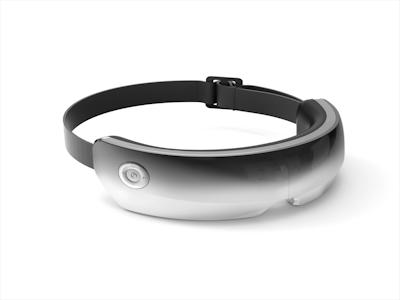
В эпоху цифровой революции, когда технологии проникают во все аспекты нашей жизни, интеллектуальные устройства для глаз вышли на передний план как неотъемлемые инструменты для поддержания здоровья, повышения продуктивности и адаптации к быстро меняющемуся миру. От умных очков до устройств для мониторинга зрения, эти инновации не просто облегчают повседневные задачи, но и становятся необходимостью в условиях возрастающей нагрузки на зрение, роста цифровых зависимостей и глобальных вызовов, таких как пандемии и изменение климата. В этой статье мы углубимся в причины, по которым интеллектуальные устройства для глаз перестали быть роскошью и превратились в важнейший элемент современного существования, охватывая их исторический контекст, технологические достижения, влияние на общество и будущие перспективы.
Исторический контекст: от простых линз к умным устройствам
История устройств для глаз насчитывает тысячелетия, начиная с древних времен, когда люди использовали примитивные линзы из горного хрусталя для коррекции зрения. В XIII веке изобретение очков в Италии стало прорывом, позволившим миллионам людей компенсировать дефекты зрения. Однако лишь в XX веке с развитием электроники и компьютеров началась эра интеллектуальных устройств. Первые шаги были сделаны в 1960-х годах с появлением контактных линз, но настоящая революция произошла в 2010-х годах с запуском Google Glass в 2013 году. Эти умные очки, оснащенные дисплеем, камерой и подключением к интернету, показали, что устройства для глаз могут быть не только corrective, но и interactive. С тех пор рынок exploded с инновациями, такими как очки с дополненной реальностью (AR), умные линзы для мониторинга здоровья и устройства для защиты от синего света. Этот исторический прогресс подчеркивает, как необходимость в более advanced solutions driven by technological advancements and societal needs. В прошлом очки были простым инструментом для коррекции зрения; сегодня они evolved into multifunctional devices that address complex challenges of the digital age.
Технологические инновации: как интеллектуальные устройства меняют игру
Современные интеллектуальные устройства для глаз leverage cutting-edge technologies such as artificial intelligence (AI), internet of things (IoT), and biometric sensors to offer unprecedented functionality. For instance, smart glasses like those from companies like Microsoft (HoloLens) or startups like North (now acquired by Google) integrate AR to overlay digital information onto the real world, enhancing experiences in fields like education, healthcare, and entertainment. These devices use computer vision algorithms to recognize objects and provide contextual data, making them indispensable for professionals such as surgeons or engineers who need hands-free access to information. Additionally, smart contact lenses are being developed to monitor health metrics like glucose levels for diabetics or intraocular pressure for glaucoma patients, transmitting data wirelessly to smartphones. This technological leap is driven by Moore's Law and the miniaturization of components, allowing for devices that are both powerful and discreet. The integration of 5G connectivity further enhances their capabilities, enabling real-time data processing and cloud-based services. These innovations not only improve individual well-being but also contribute to broader societal benefits, such as reducing healthcare costs through preventive care. As technology continues to advance, the line between traditional eyewear and intelligent devices blurs, making them a necessity for staying competitive and healthy in a tech-driven world.
Влияние на здоровье глаз: необходимость в эпоху цифрового напряжения
Одной из primary reasons intelligent eye devices have become a necessity is the escalating crisis of eye health due to digital strain. With the average person spending over 6 hours per day on screens, issues like digital eye strain, dry eyes, and myopia are on the rise globally. According to the World Health Organization, over 2.2 billion people worldwide suffer from vision impairment, and this number is expected to grow due to increased screen time and aging populations. Intelligent devices address this by incorporating features such as blue light filtration, which reduces exposure to harmful wavelengths emitted by screens, thereby minimizing eye fatigue and improving sleep quality. For example, smart glasses with built-in blue light blockers or adaptive lenses that adjust tint based on ambient light conditions are becoming essential for office workers, students, and gamers. Moreover, devices like smartwatches with eye-tracking capabilities can alert users to take breaks and practice the 20-20-20 rule (every 20 minutes, look at something 20 feet away for 20 seconds), promoting healthier habits. In healthcare, intelligent devices enable early detection of eye diseases through continuous monitoring, allowing for timely interventions that can prevent blindness. This proactive approach to eye health transforms these devices from optional accessories to critical tools for maintaining quality of life, especially in a world where digital consumption is unavoidable.
Повышение продуктивности и эффективности: почему бизнес и образование зависят от них
In the realms of business and education, intelligent eye devices have emerged as necessities for enhancing productivity and efficiency. In corporate settings, smart glasses enable remote assistance and training, allowing experts to guide workers in real-time through AR overlays, reducing errors and downtime. For instance, in manufacturing, employees can access schematics or instructions hands-free, leading to a 30% increase in productivity according to some studies. In education, AR glasses provide immersive learning experiences, making complex subjects like anatomy or history more engaging and accessible, which is crucial in an era of remote learning exacerbated by events like the COVID-19 pandemic. Furthermore, these devices support accessibility for individuals with disabilities; for example, smart glasses can read text aloud for the visually impaired or translate sign language in real-time. The economic impact is significant: businesses that adopt intelligent eye devices report higher ROI through reduced training costs and improved operational efficiency. As the global economy becomes more digital and competitive, the inability to leverage such technologies can put organizations at a disadvantage, making these devices not just beneficial but essential for survival and growth. Education systems worldwide are integrating them into curricula to prepare students for future jobs, underscoring their role as a cornerstone of modern infrastructure.
Социальные и культурные аспекты: интеграция в повседневную жизнь
Beyond health and productivity, intelligent eye devices have become woven into the fabric of society, influencing culture and daily routines. In social contexts, devices like smart glasses with cameras facilitate content creation for social media, allowing users to capture and share experiences seamlessly, which has become a norm in the age of influencers and digital storytelling. This cultural shift towards always-on connectivity means that not having such devices can lead to social exclusion or reduced engagement. Moreover, in terms of safety, intelligent eyewear can enhance situational awareness; for example, glasses with built-in navigation or hazard detection can prevent accidents for cyclists or pedestrians in urban environments. The pandemic has accelerated adoption, as devices with temperature sensors or facial recognition help enforce health protocols without physical contact. Culturally, there's a growing acceptance of technology as an extension of the self, similar to how smartphones became ubiquitous. However, this integration raises ethical concerns, such as privacy issues related to constant recording or data collection, which necessitate robust regulations. Despite these challenges, the societal push towards convenience and efficiency makes intelligent eye devices a necessity for navigating modern life, where the pace of change demands adaptive tools that keep us connected and protected.
Экономические факторы: рост рынка и доступность
The economic landscape surrounding intelligent eye devices underscores their necessity through rapid market growth and increasing affordability. The global market for smart glasses and related technologies is projected to reach over $20 billion by 2025, driven by demand from various sectors including healthcare, retail, and entertainment. This growth is fueled by investments from tech giants like Apple, Google, and Facebook, who are developing next-generation devices that promise to redefine human-computer interaction. As production scales up, costs are decreasing, making these devices more accessible to a broader audience. For instance, entry-level smart glasses now cost as little as $200, compared to thousands just a few years ago, enabling widespread adoption. Economically, they create new job opportunities in fields like AR development and eye care technology, while also reducing societal costs associated with vision-related health issues. In developing regions, affordable intelligent devices can bridge gaps in healthcare and education, providing telemedicine services or remote learning tools that were previously unavailable. This economic momentum ensures that intelligent eye devices are not just a trend but a stable part of the future economy, necessitating their integration into personal and professional lives to avoid being left behind in the digital divide.
Будущие тенденции и инновации: что ждет впереди
Looking ahead, the necessity of intelligent eye devices will only intensify with emerging trends and innovations. Advances in AI will lead to more personalized devices that adapt to individual eye characteristics and preferences, offering customized solutions for vision correction and health monitoring. The integration of brain-computer interfaces (BCIs) could allow devices to be controlled by thought, revolutionizing accessibility for people with severe disabilities. In the realm of sustainability, eco-friendly materials and energy-efficient designs will make these devices more appealing as environmental concerns grow. Additionally, the metaverse—a virtual shared space—will rely heavily on AR glasses for immersion, making them essential for social interaction, work, and entertainment in virtual environments. Regulatory frameworks will evolve to address privacy and security concerns, ensuring safe adoption. As climate change and global crises like pandemics persist, intelligent devices may incorporate features for environmental monitoring or health safety, further cementing their role as necessities. Ultimately, the future will see these devices becoming as commonplace as smartphones, with continuous innovation driving their indispensability in a world that values efficiency, health, and connectivity.
Заключение: необходимость как неизбежность
В заключение, интеллектуальные устройства для глаз стали необходимостью due to a confluence of factors: technological advancements, health imperatives, productivity demands, societal integration, economic forces, and future trends. They are no longer optional gadgets but essential tools that enhance our quality of life, protect our health, and keep us competitive in a rapidly evolving world. As we move forward, embracing these devices will be crucial for individuals and societies alike to thrive in the digital age. The journey from simple corrective lenses to intelligent systems reflects humanity's relentless pursuit of improvement, and today, that pursuit makes these devices indispensable. Whether for managing digital eye strain, boosting workplace efficiency, or staying connected in a virtual world, intelligent eye devices are here to stay, and their necessity will only grow with time.
Этот comprehensive exploration highlights why intelligent eye devices are not just a luxury but a fundamental aspect of modern existence, urging readers to consider their adoption for a healthier, more productive future.
 1388xx888xx